Clean Beauty Is Finally Being Asked to Prove It
September 15, 2026 · 3 min read · Aradhna Juneja
In early September, the market research firm SNS Insider published a fresh read on the global clean beauty market: valued at $10.52 billion in 2025, and projected to grow to $29.05 billion by 2035. The reason the report gives first, ahead of packaging trends or fragrance innovation, is ingredient transparency — consumers' growing attention to what's actually in a product, named as one of the leading drivers of that growth. Not a new claim. Not a new format. People are reading labels, and clean beauty is finally being asked to hold up under that kind of attention.
We built the label first
This is the argument we've been making since before there were numbers to back it up. "Proven, not just pretty" isn't a phrase we adopted once the market caught up to it — it's why we built a dedicated Ingredients page rather than a marketing footnote, and why every formula on it is stated plainly: what's in it, and what it's there to do, not a longer list dressed up to look more clinical than it is.
Growth attracts the loophole too
A market growing this fast will also attract brands willing to call something "clean" because the word sells, not because the formula backs it up — the exact dynamic that shaped how we approached formulation in the first place. Dr. Aradhna Juneja started as a skeptical consumer herself, watching products launch on packaging and celebrity endorsement with little real benefit behind them. That's the lens she formulates through now: an ingredient earns its place on the label because of what it does, not because of how the list reads.
What's actually in ours
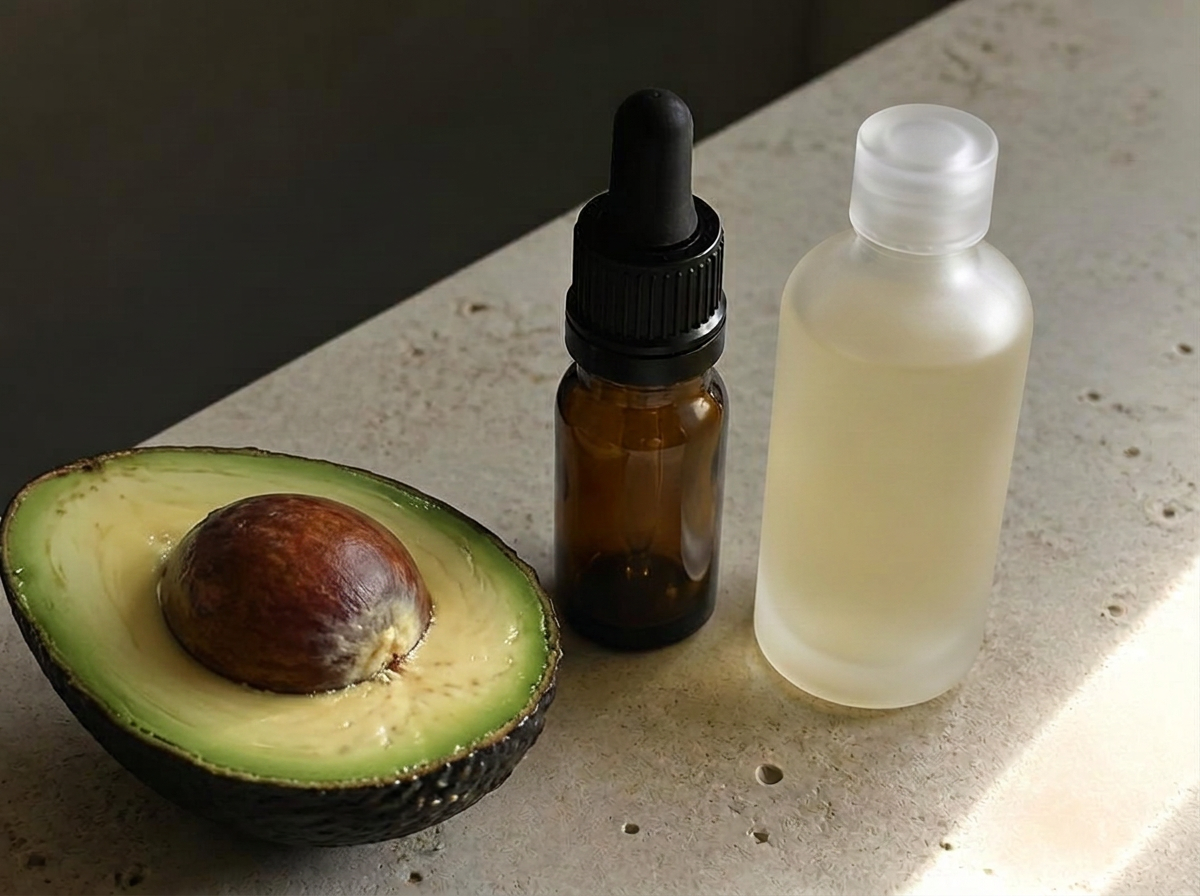
Our Hand Sanitizing Serum, FDA Registered, is built around avocado oil, jojoba oil, hyaluronic acid, and castor oil, joined by Centella Asiatica and vitamins B3, B5, and E — ingredients chosen for what they do, not for how long they make the label. Our Hand & Body Wash leans on upcycled olive pit powder, a byproduct of olive oil production repurposed here as a gentle exfoliant, alongside betaine for moisture retention and avocado oil for conditioning. Even our candles carry the same standard into a category that's rarely asked for one: a cocosoy wax blend, and vessels that are hand-made ceramic rather than mass-cast glass.
Small batches make this easier to keep
Transparency is simpler to sustain at the scale we've chosen to stay at. Every wash, serum, and candle is made by hand, in small batches, in Dubai, which means there's no distance between what Dr. Aradhna Juneja formulates and what actually ends up in the bottle. As the wider market catches up to the idea that ingredient lists matter, that's the part worth remembering: transparency isn't a claim you add later. It's easier to keep when you never had anything to hide in the first place.
👉 See the full ingredient list behind every Palma de Salus formula.
Made by hand in small batches. Explore the full collection.